Stories of Impact
Mega City Media Campaign In Guyana
Launched in 2010 • Nationwide TV campaign Oct–Nov 2010
Mega City Media Campaign in Guyana (2010)
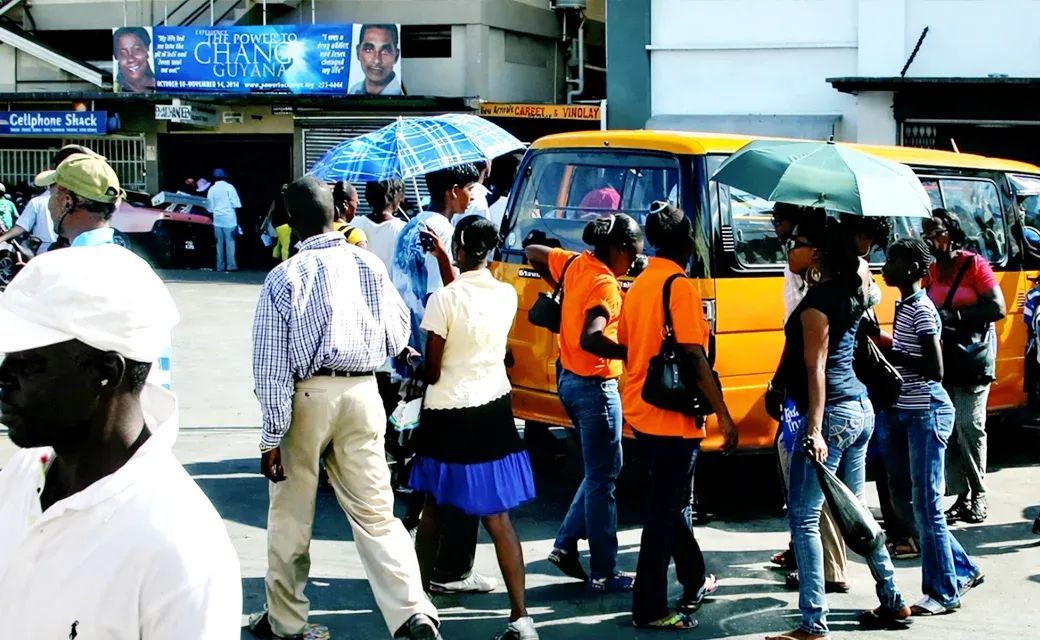
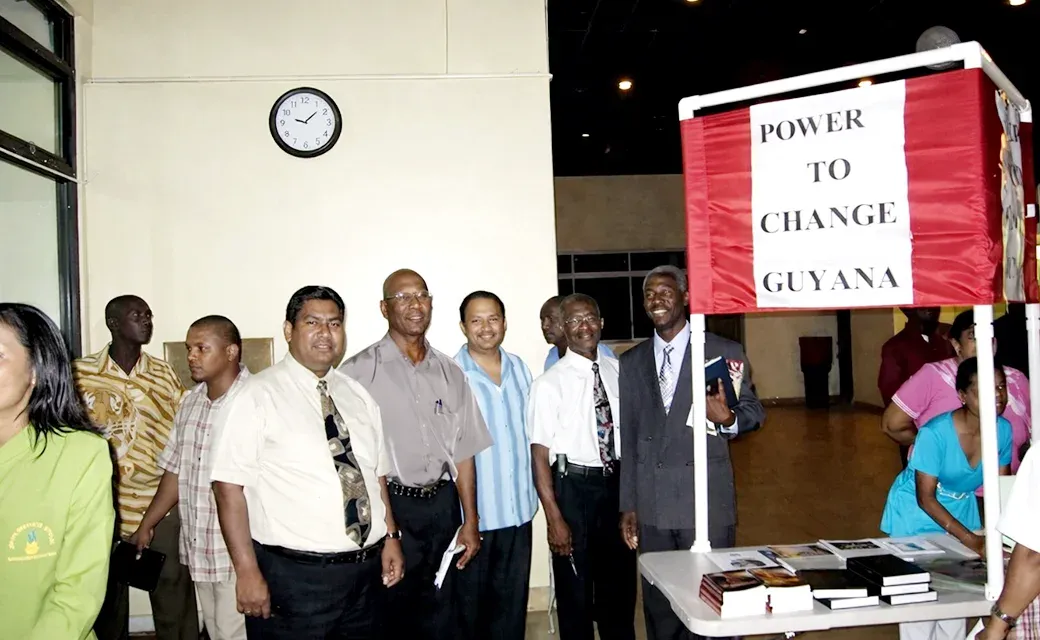
In 2010, a nation-wide Mega City Media Campaign launched in Guyana, reaching the country’s 800,000 residents through daily television and other media. Working together with 100 Guyanese churches, the campaign shared personal testimonies and invited viewers to respond through the call centre and connect with local churches for follow-up.
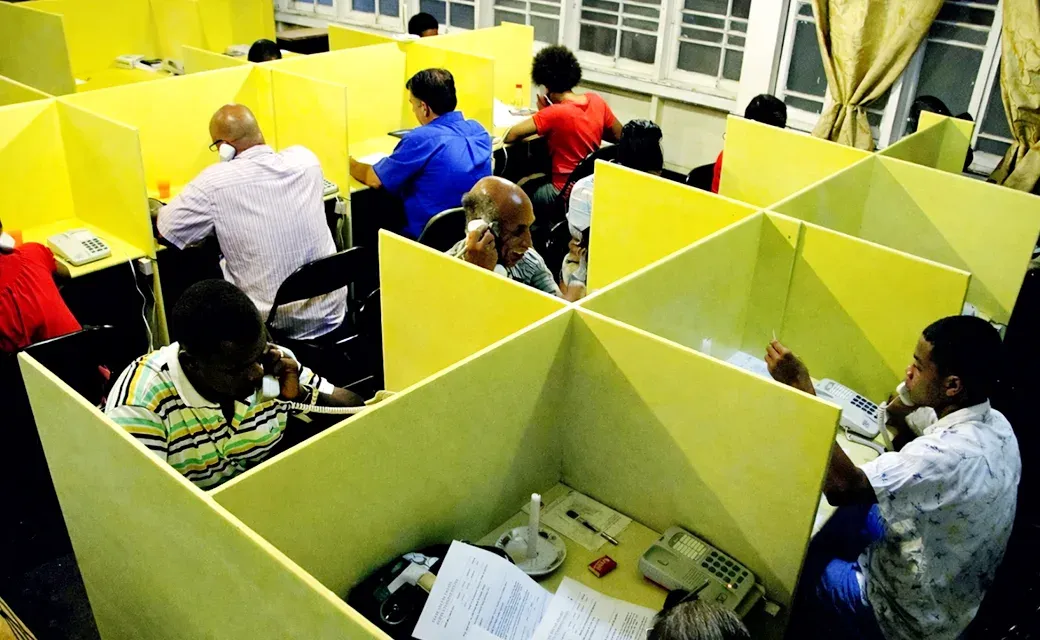
Response came quickly. During the campaign, registered and unregistered calls topped 3,000, and local reporting noted over 4,000 contacts during the outreach. Leaders also reported that 1,700 people received Jesus as Lord and Saviour, showing the depth of response beyond initial calls. Volunteers experienced a few suspenseful moments at the call centre when the electricity went out one night— a power outage cut electricity across Georgetown just before the televised broadcast on Guyana’s national TV channel. The phones still worked, but counsellors on duty could not see in the dark to write down the necessary contact information for callers. Silent prayer went forward in the darkness. Someone lit a match, then a candle... then, with just 5 minutes to spare before the programme started, power was suddenly restored. A record number of calls came through that evening.

Your Gifts at Work!
3,000+
Call Centre Calls
100
Churches Involved
1,700
Received Jesus
800,000
People Reached (daily TV + other media)
When the Broadcast Ended, the Conversations Continued
The campaign wasn’t only about what aired on television—it was about the conversations that followed. As people responded, the call centre became a place where viewers could talk with a real person, ask questions, and be listened to without pressure. Some callers were ready to make an immediate decision; others simply needed time to process what they had heard and wanted someone to walk them through their next steps at a calm pace. In those moments, the call centre served as more than a hotline—it became a bridge between a nationwide message and a personal, one-on-one connection.
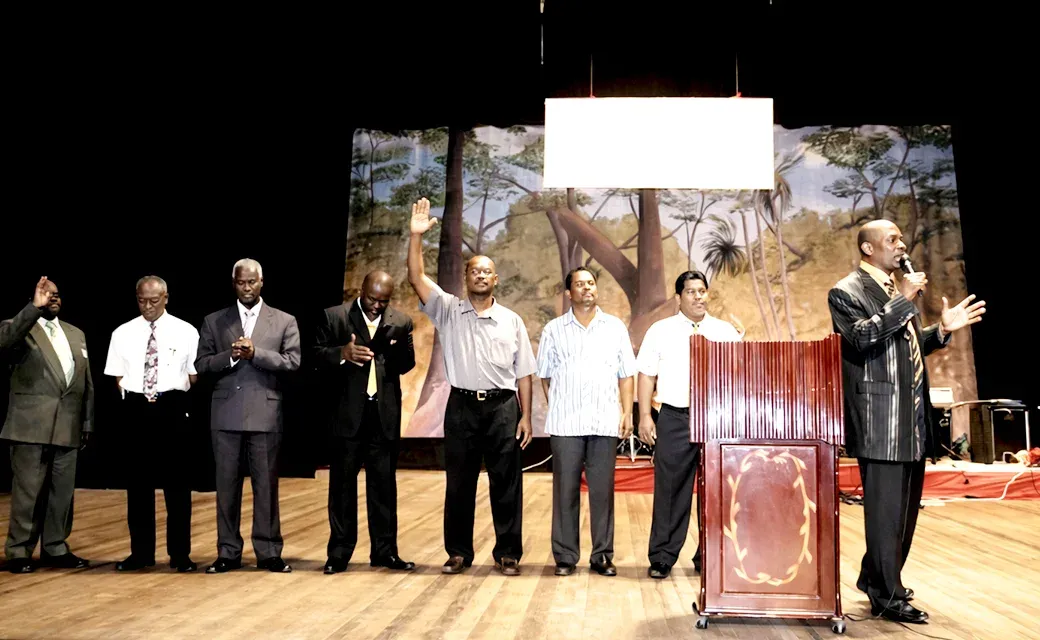
The goal was never simply ‘to handle’ anonymous calls, but to connect people into a faith community where they could grow, belong, and live out their beliefs together. Pastors and leaders helped organize follow-up care, so that those who reached out could be welcomed, prayed with, and invited into ongoing relationships—turning initial interest into a longer journey of growth. In that way, the campaign’s impact wasn’t measured only by response during the broadcasts, but by the church’s readiness to keep caring for people long after the final programme aired.
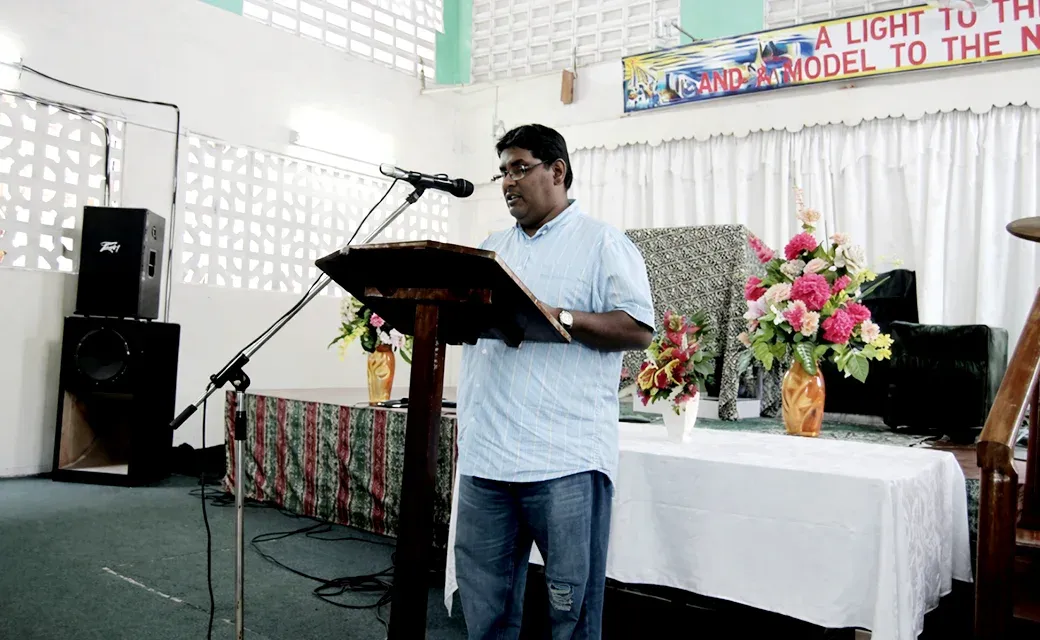
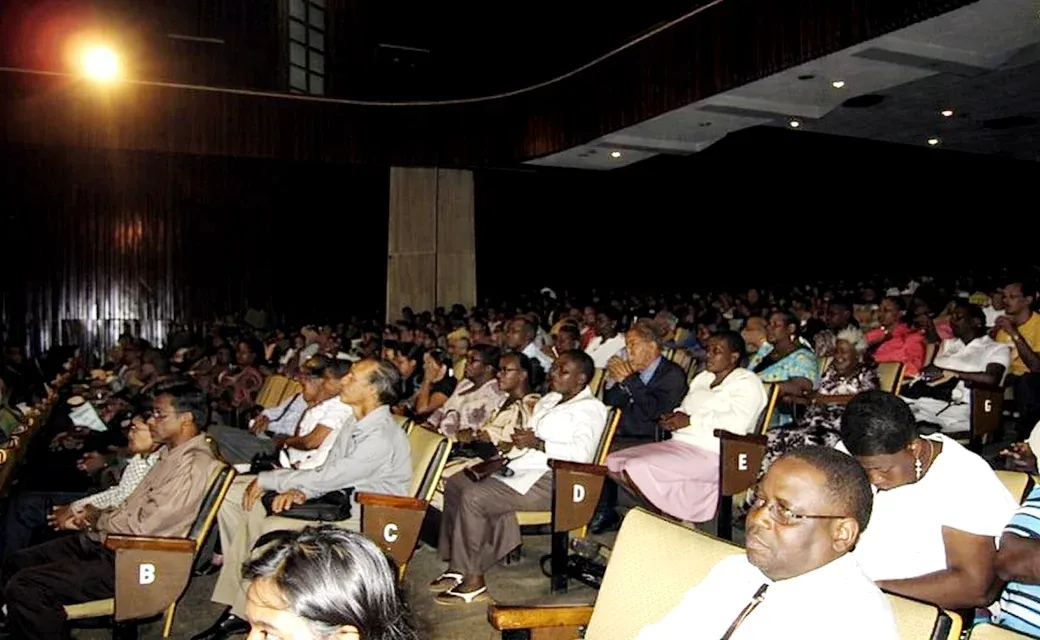
One of the life change stories aired on a Sunday night. The topic was alcoholism and how this individual speaking had been set free from its ‘curse’. As soon as the number flashed across the TV screen, the phones started to ring non-stop. Many callers shared their distress.