Mega City Media Campaign in Ukraine (2007–2021)
From 2007 to 2021, GCMM’s Mega City Media Campaign in Ukraine unfolded across multiple cities and phases rather than as a single campaign year. Earlier campaign chapters in Kyiv and Sevastopol were followed by a major campaign in Odesa, and later by a broader campaign effort in East Ukraine. Together, these campaigns used public media, campaign books, and local church follow-up to carry the message across several of Ukraine’s major cities and regions.
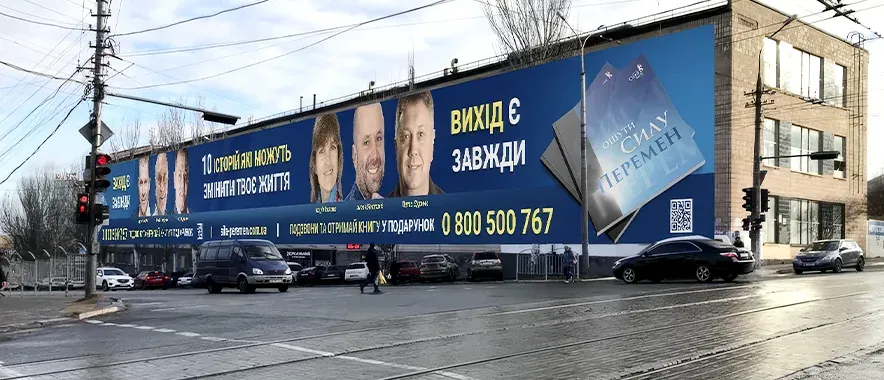
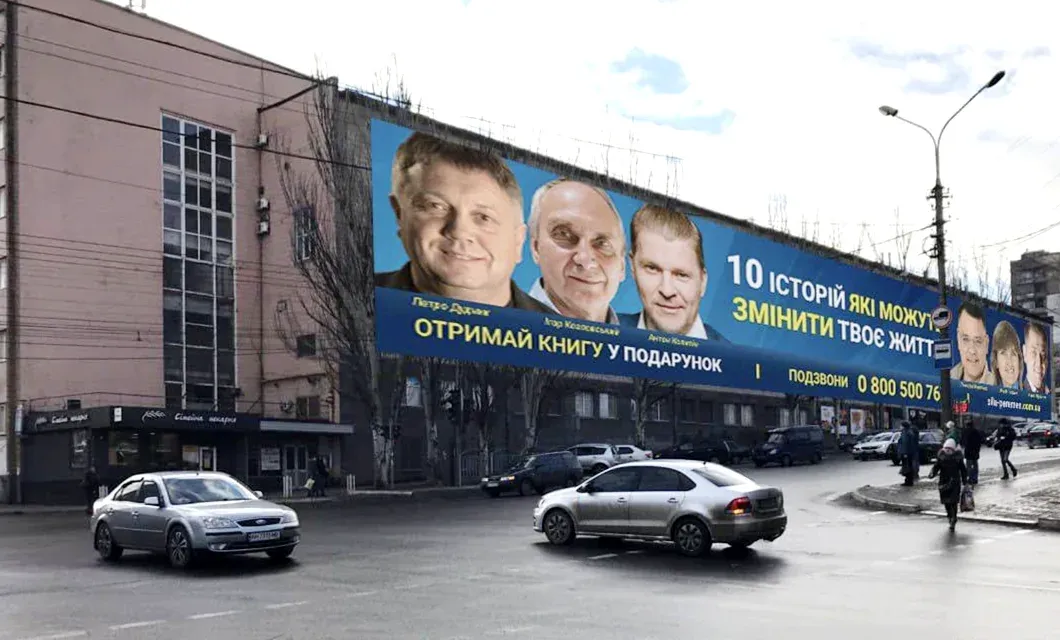
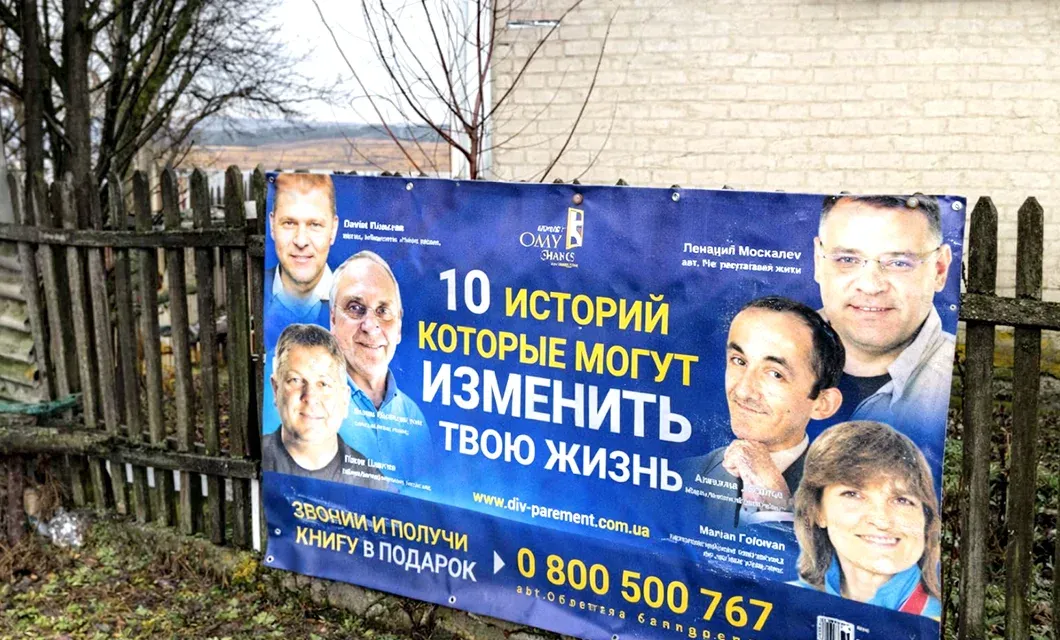
Among these chapters, Odesa 2014 became one of the best-documented campaign years. GCMM reported that the campaign touched nearly 2 million people in the city and province through a coordinated mix of 370 billboards, buses and trams, major newspaper coverage, prime-time television, and large-scale literature distribution. Churches also requested more campaign books as supplies were depleted, showing strong response and continued local follow-up after the main media phase ended.
How The Campaigns Unfolded
Ukraine’s Mega City Media Campaign did not follow a single path from beginning to end. Instead, it unfolded through several distinct chapters, each reflecting a different season of ministry. Earlier campaigns in Kyiv and Sevastopol established the model of large-scale public outreach, while Odesa 2014 showed how that same approach could still move forward under deep national strain.
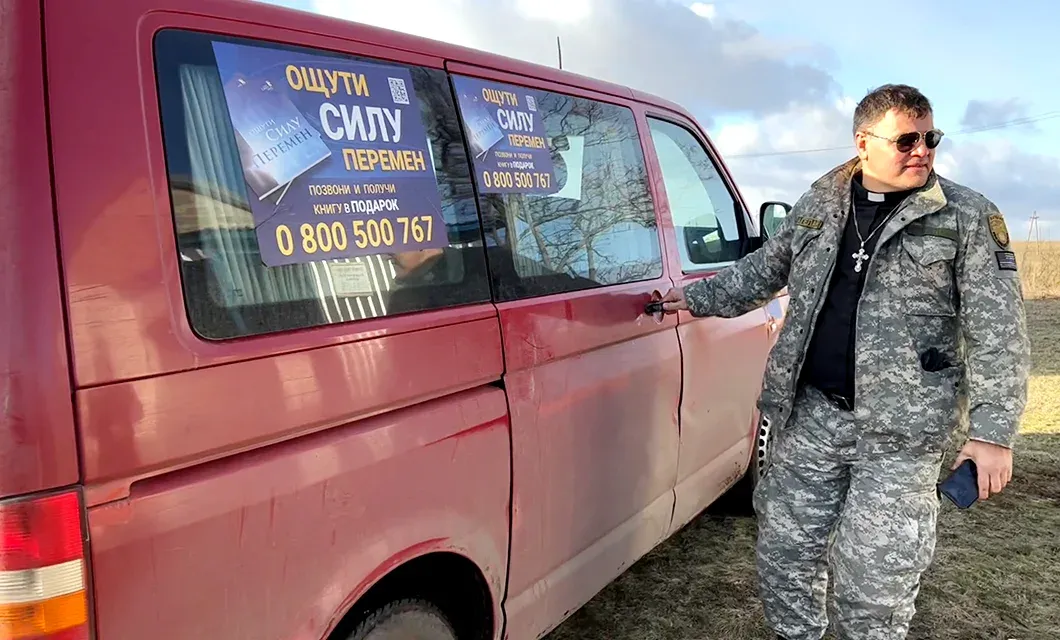
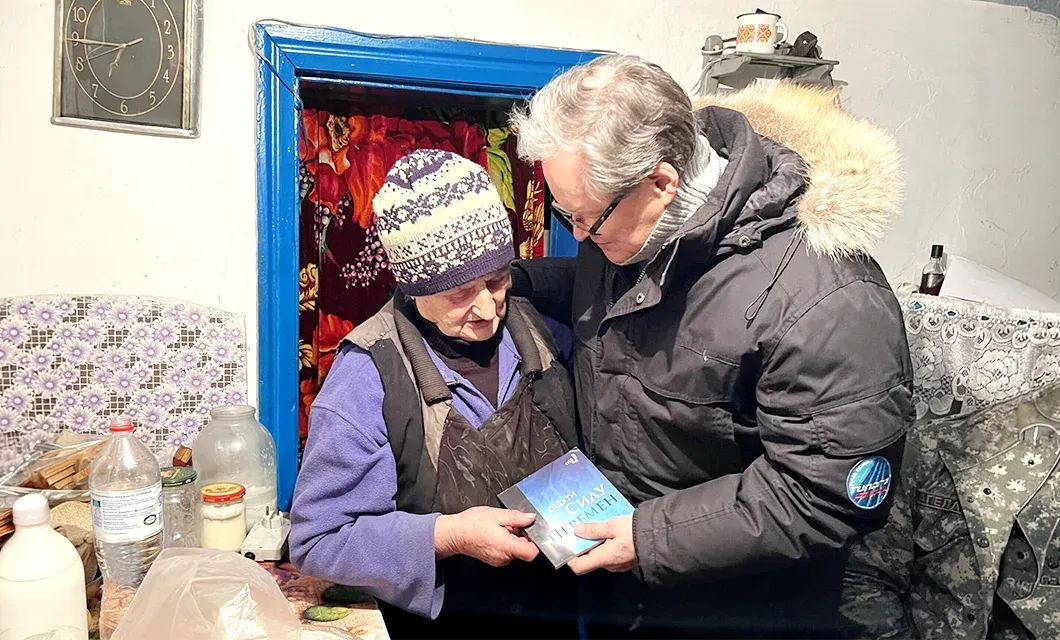
A later chapter unfolded in East Ukraine, where the campaign adapted to much harder conditions. Public messaging, campaign books, and local follow-up remained central, but reports also described books being carried door to door where normal media access had broken down. In that way, Ukraine’s Mega City story showed both continuity and change: the same effort to reach people widely remained in place, even as the methods had to adapt.
Stayed to Shepherd the City
My days are limited. I decided that I would rather serve the people of this city as their shepherd than leave them without someone to care for their souls.
Pastor Sergey Sinii
Kherson, Ukraine
A Story That Continued
Ukraine’s Mega City Media Campaign did not end as a neatly finished chapter. What began through citywide media, campaign books, and church follow-up continued to echo through local churches and personal connections long after the original campaign phases had ended. GCMM later wrote that the broader Ukraine campaign remained “unknown and unfinished,” reflecting how war interrupted the work even as churches in places such as Kherson, Kharkiv, and Kyiv continued reporting new people, follow-up, and lasting church connection in the years that followed.
As the war deepened, GCMM’s ministry in Ukraine also expanded through UkraineAid, bringing humanitarian support alongside evangelism and follow-up. Later updates described food distribution, medical aid, generators, stoves, and practical care delivered through UkraineAid across regions such as Kherson, Kharkiv, Zaporizhzhia, Donetsk, Sumy, and Kyiv. Taken together, Ukraine’s story became not only one of public campaigns, but also of continued ministry under strain—with the hope that, when conditions allow, Mega City Media Campaign work in Ukraine may one day continue again in a new chapter.