Sharing Hope Across Israel, the West Bank and Gaza
In 2008, GCMM helped carry out a major Arabic-language media campaign reaching communities across Gaza and the West Bank with a message of hope, faith, and personal response.
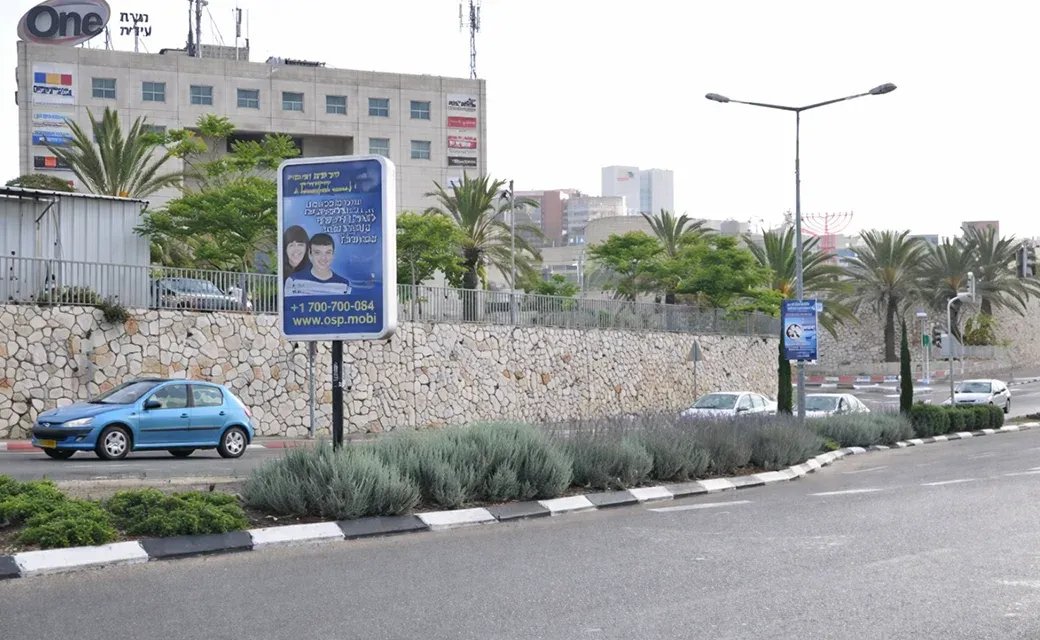
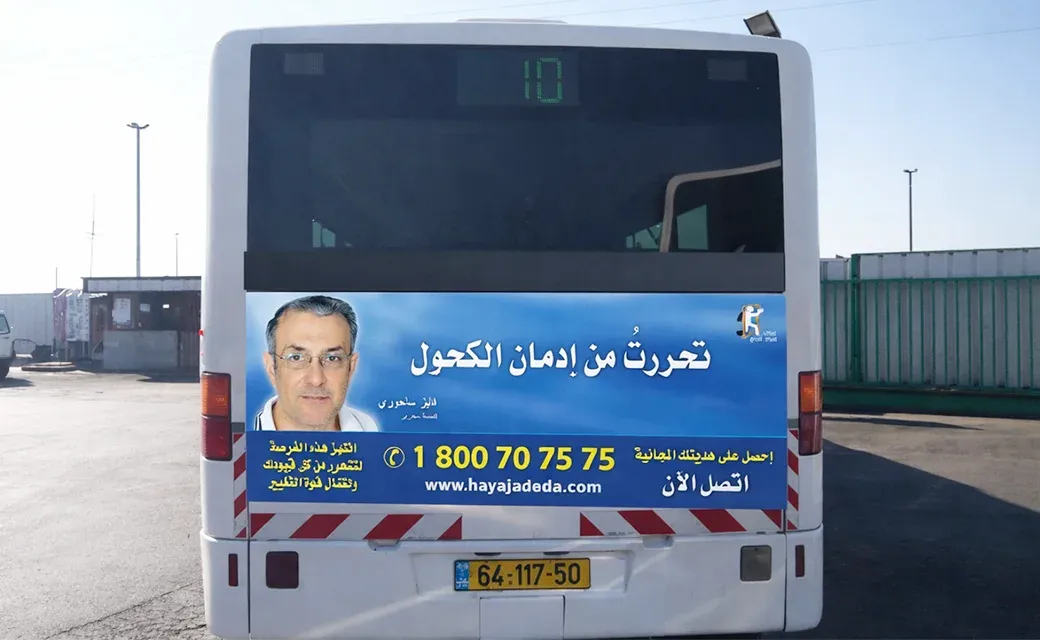
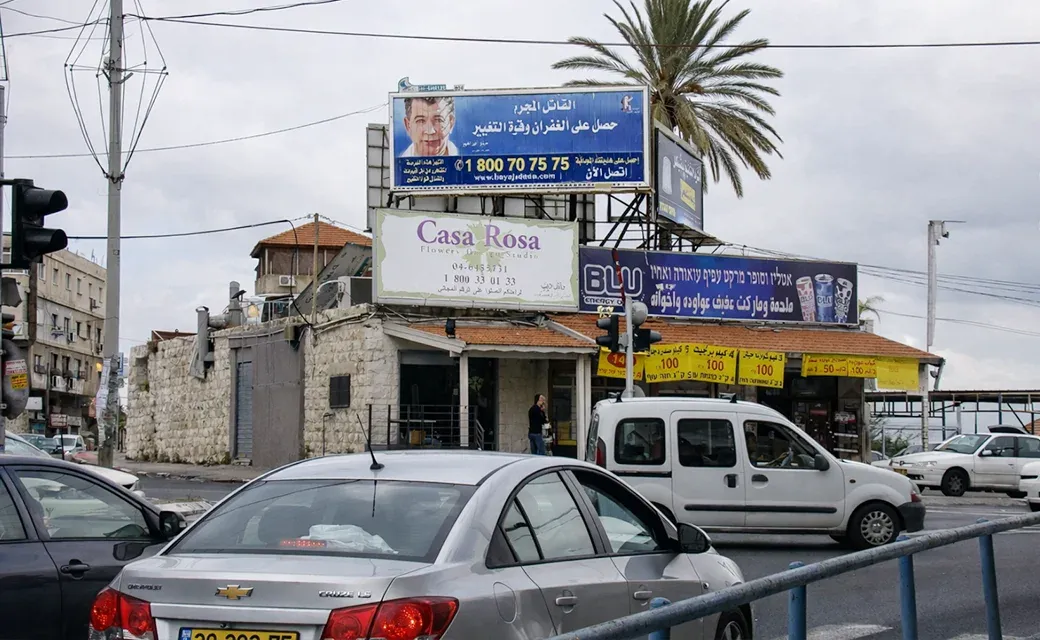
The campaign was part of a wider Holy Land outreach effort and used many forms of public and broadcast media, including billboards, city bus ads, Arabic newspapers, radio, television, websites, and direct follow-up through call centres.
The goal was simple and deeply pastoral: to make the message accessible in Arabic, invite people to respond privately, and provide careful follow-up for those who reached out.
Campaign Timeline
2008 — Jerusalem • Tel Aviv • Haifa • Bethlehem • West Bank • Gaza
2009 — Jerusalem • Tel Aviv • Haifa • Armageddon Valley • northern Israel
2012 — Nazareth
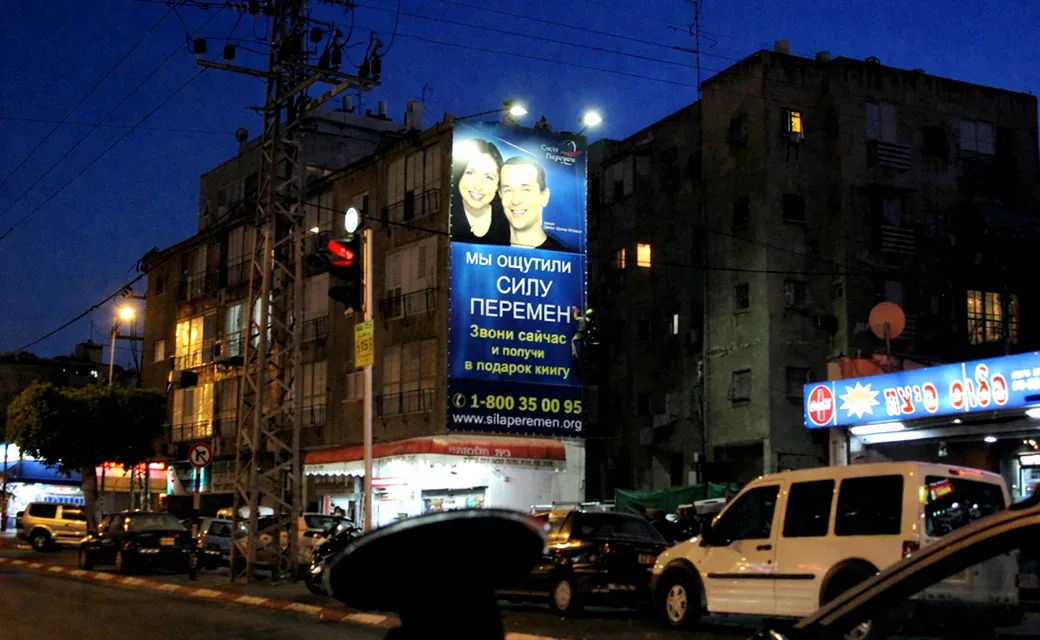
2016 — Israel-wide Hebrew and Russian campaign
A Broad Arabic-Language Outreach
The Arabic phase of the Mega City Media Campaign reached people in cities and communities including:
Bethlehem, Hebron, Ramallah, Jenin, Jericho, Nablus, Gaza, Tulkarem, and surrounding areas.
In July 2008, the Arabic-language campaign expanded significantly, using:
• 140 large billboards
• 76 city bus advertisements
• Arabic newspaper placements
• Radio and television broadcasts
• Banner ads on leading Arabic websites
• Two Arabic-language call centres
• Books, DVDs, and personal follow-up for those who responded
This multi-channel approach allowed the campaign to be visible in public spaces, heard through broadcast media, and accessible online.
Thousands Responded
By September 2008, campaign reports noted that approximately 4,000 Arabic-language calls had come into the two campaign call centres.
These calls were handled through Arabic campaign offices in Bethlehem and Haifa, where trained teams provided follow-up, answered questions, and coordinated the distribution of resources such as books and DVDs.
Every response represented a person taking a step — asking a question, seeking spiritual understanding, or looking for encouragement.
Carried Out Safely and Responsibly
The campaign took place in a sensitive environment. Reports noted opposition from Palestinian leadership, including public warnings not to contact or participate in the campaign.
Even so, the outreach was completed safely and without incidents.
GCMM is grateful for the courage, wisdom, and care of the local teams who helped ensure that the campaign was conducted responsibly, respectfully, and with attention to the safety of everyone involved.
People Began Reaching Out
This campaign reached people in ways we had never seen before. Churches began working together, homes were visited, and many who responded wanted to keep hearing more.
Bassel
Campaign coordinator, Haifa
Campaign Highlights
4,000 Arabic Calls
Approximately 4,000 calls came into the two Arabic-language campaign call centres.
140 Billboards
Large public billboards helped make the message visible across the region.
76 City Bus Ads
Bus advertisements extended the campaign’s reach into everyday public life.
2 Call Centres
Arabic-language follow-up was supported through call centres in Bethlehem and Haifa.
Why This Campaign Mattered
The Mega City Media Campaign in Arabic demonstrated the power of media ministry when it is paired with trusted local follow-up.
Through public advertising, broadcast media, websites, and personal response channels, thousands of Arabic-speaking people were given the opportunity to hear, consider, and respond to the message of Christ.
This work reflected GCMM’s long-standing commitment to thoughtful, culturally aware outreach — sharing the gospel clearly, respectfully, and in the heart language of the people being reached.